WE RESPOND TO YOUR NEEDS 414-271-1440
Recent Blog Posts
Wisconsin Drug Trafficking Laws and Consequences
 by Ray Dall’Osto & Steven McGaver
While criminal charges can result in serious consequences, those who are arrested and charged with drug crimes, particularly those involving opioids and distribution, will face zealous prosecution and a significantly greater risk of incarceration. Charges related to the possession of controlled substances are serious, but accusations of drug trafficking (sale and/or distribution, possession with intent to deliver and manufacturing) are more likely to result in severe punishment, as well as a felony record. Those facing drug charges should make sure they understand the nature of the charges and their options for defense.
Drug Crime Statistics
Possession of controlled substances is the most commonly charged drug crime in Wisconsin, making up around 80 percent of all arrests. In 2017, there were 17,022 arrests for possession of marijuana and 8,962 arrests for possession of other drugs. There were 4,843 arrests for the sale of controlled substances. Overall, Wisconsin averages around 450 drug arrests each year for every 100,000 people in the state’s population, which compares to a rate of around 550 drug arrests for every 100,000 people across the entire United States.
What is Considered Healthcare Fraud?
 Healthcare is one of the largest industries in the United States with billions of health insurance claims being processed every year and trillions of dollars spent on medical care. The massive size of this industry and the complexity of insurance coverage and billing methods has led to prevalent abuse of the system as people and organizations seek to fraudulently enrich themselves. Healthcare fraud is common, and people should be aware of the possibility that they may face serious criminal charges if they commit this type of offense.
Common Types of Healthcare Fraud
Healthcare fraud can be committed by medical providers, patients, or other people or organizations involved in the healthcare system. Some common forms of healthcare fraud include:
-
Improper billing – Medical providers may bill patients for services which were not actually performed, or they may bill for services that were more expensive than what was provided (known as "upcoding"). Providers may also submit multiple bills for separate steps in a procedure in order to increase the costs of services (known as "unbundling").
What Are My Rights if I Am Pulled Over for OWI?
 By Ray Dall’Osto
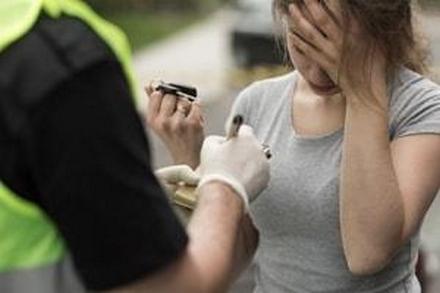
Being pulled over by a law enforcement officer for a traffic stop is stressful; however, the possibility of being arrested for OWI (Operating While Intoxicated, also called DUI) can make things much worse. If you are pulled over for a traffic stop or on suspicion of drunk driving, it is important for you to understand your rights. If you don’t know how to assert your rights, you have none.
The Right to Avoid Self-Incrimination
The Fifth Amendment to the United States Constitution gives everyone the right to refuse to answer questions of law enforcement and government investigators; the answers to which may tend to incriminate oneself. During a traffic stop and later at the police station, you can politely decline to answer an officer’s questions about whether or how much you have been drinking, what drugs you might have had, and the other questions set forth in the alcohol/drug influence report interview protocol. You can also assert your Sixth Amendment right to legal counsel and not answer questions until you are allowed to call and speak with your lawyer.
Recovering Compensation in a Pedestrian Hit-and-Run Accident
 Any car accident can be a frightening experience, but pedestrian accidents are among the most dangerous — people on foot are likely to suffer serious injuries even in a low-speed collision. A hit-and-run accident in which a driver does not stop his or her car or remain at the scene of the collision after striking a pedestrian can be especially devastating. Victims are often unsure of their options for pursuing compensation for their injuries.
Protecting Your Rights to Compensation
Under Wisconsin law, drivers who strike another vehicle or a pedestrian with their car are required to stop, investigate the accident, exchange information with others involved in the accident, and provide aid and assistance to anyone who was injured. Failure to do so is a crime and can result in misdemeanor or felony charges, depending on the extent of the damages.
Fighting Allegations of Construction Defects
 Contractors and construction companies take a great deal of pride in their work ensuring that the buildings and construction projects they work on meet standards for quality and safety. Unfortunately, situations can occur in which a contractor is accused of performing shoddy or substandard work, and allegations of construction defects may involve damage to a property or bodily injuries. If you are facing these types of allegations, it is important to work with a skilled commercial litigation attorney who can help protect your rights and provide you with a defense against these claims.
How Can a Wisconsin Litigation Attorney Help?
An attorney can provide a wide variety of services in cases involving construction defects, including:
-
Reviewing contracts and records - By performing a thorough review of the contracts involved in the work, an attorney can help determine whether any breach of contract occurred. Reviewing records such as blueprints, purchase orders for materials, inspection reports, and communications between a contractor and his or her client can also help to discover evidence that contradicts a plaintiff’s claims.
What Should My Fiancée and I Include in Our Prenup?
 If you are planning to get married, you are likely looking forward to a future of happiness and partnership with your spouse. However, you may also wish to make sure you are protected should your marriage ever come to an end. A prenuptial agreement can be beneficial, especially if you or your fiancée earn a high income or own a business or if one of you has children from a previous relationship. This type of agreement can provide peace of mind that your financial interests will be protected, and it can help you avoid conflict if you decide to get a divorce.
What Can Be Included in a Prenup
Under Wisconsin law, a prenuptial agreement is also known as a marital property agreement and can include the following:
-
A definition of each spouse’s rights and obligations regarding property owned by either party, including who will manage and/or control this property, no matter when the property was acquired or where it is located.
Issues to be Aware of in a Car Accident Involving an Uber Driver
 Modern technology has brought many conveniences to our lives, including the ability to find transportation through ride-sharing apps like Uber. These services make it easy to be picked up and dropped off wherever a person needs to go. Moreover, they allow drivers to supplement their income through the use of their personal vehicle. However, the increasing number of Uber drivers on the road means that car accidents involving these drivers are likely to occur. People who have been involved in a collision with an Uber driver should understand their options for receiving financial compensation.
Uber Insurance Policies
Uber drivers are covered by the company’s liability insurance policies, although coverage varies depending on whether a driver is waiting for a ride request, traveling to pick up a rider, or transporting a rider in their vehicle.
Wisconsin Motorcycle Safety and Accident Prevention
 As the weather begins to warm up in the spring and summer months, more and more motorcycles will be appearing on Wisconsin’s roads. Unfortunately, while motorcyclists have the same rights on the road as other vehicles, they are much more likely to be seriously injured in a collision. In fact, around 2,000 motorcyclists are injured and dozens of cyclists and their passengers are killed in motorcycle accidents in Wisconsin every year. In order to protect the safety of everyone who uses the road, both cyclists and drivers of other vehicles should practice the following safety tips:
Safety Tips for Cyclists
-
Wear a helmet. While Wisconsin law only requires helmets for motorcyclists or passengers who are under the age of 18, it is highly recommended for everyone to wear a full-coverage helmet, which can greatly reduce the possibility of brain injuries.
Planning for Your Business's Future: What Are Shareholder Agreements?
 Starting a new business is an exciting time. Business owners put a great deal of thought into their plans for their company, and setting those plans into motion can be immensely satisfying. However, decisions made at the beginning of a business venture can greatly impact a business’s future. Therefore, it is important for business partners to plan for the future and ensure that their rights are protected. One way to do so is through a shareholder agreement. Furthermore, having this type of agreement in place can help safeguard against future commercial litigation if disputes should ever arise between partners.
What Should be Included in a Shareholder Agreement?
A shareholder agreement, also known as an operating agreement, is a contract between the people who have an ownership interest in a company. The agreement outlines the shareholders’ rights and ensures that each person’s interests are protected. Moreover, the agreement may additionally describe how certain types of disputes will be resolved if they should arise in the future.
Computer Crimes: What is Hacking?
 In today’s digital world, we spend a great deal of time using computers and communicating with others on the Internet. Due to the increased importance of electronic communication, law enforcement organizations are cracking down on computer crimes (also referred to as cyber crimes or hacking). However, many people may not realize that they have committed any illegal acts, so it is important to understand what is considered a computer crime and the possible penalties that an alleged hacker may face.
Wisconsin Computer Crimes
Under Wisconsin law, computer crimes fall into two categories:
-
Offenses against computer data and programs: it is illegal to access, modify, copy, or destroy data or computer programs without authorization or to provide passwords or information to people who are not authorized to have them.