WE RESPOND TO YOUR NEEDS 414-271-1440
Recent Blog Posts
NIH Survey Shows Drug, Alcohol and Cigarette Use Declines Among Teens
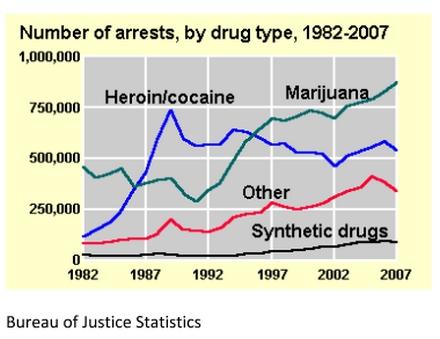 A recent study shows that the use of many illegal substances is down among U.S. teens. The only substance that did not see a decline in usage was marijuana, which remained stable. Conducted by the National Institute of Health (NIH), the results are based on the Monitoring the Future (MTF) survey of teenagers in the eighth, tenth and twelfth grades. Public health officials are encouraged by the findings and believe that consistent and fact-based public service campaigns have contributed to the declining numbers.
Alcohol and Cigarette Use Declines
The number of teens who reported that they have “been drunk” in the past year are at the lowest point ever in the MTF survey’s history. In 2016, 37.3 percent of high school seniors reported in the survey as being drunk at least once. This number peaked in 2001, when 53.2 percent of seniors reported that they had been drunk at least once in the previous year.
As for cigarettes, the number of teen users has been in steady decline since 1996. The 2016 study found that 10.5 percent of twelfth graders, 4.9 percent of tenth graders, and 2.6 percent of eighth graders reported past-month cigarette use.
How to be a Safe Pedestrian in Milwaukee
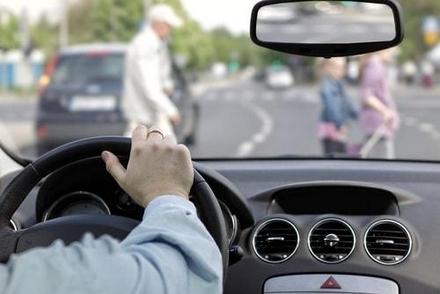 Traveling by foot is a great way to get exercise, reduce traffic, and help the environment. There are also risks and safety considerations all pedestrians should learn about as this group is the most vulnerable travelers on roads and sidewalks.
Pedestrian Traffic Accident Rates
Pedestrian accidents involving cars are common. In the next 24 hours, it is estimated that 430 pedestrians will require emergency medical care. This means that approximately 156,000 pedestrians are treated by an emergency department for injuries annually.
In the next two hours, there will be one death of a pedestrian who was involved in a car accident. In 2013, there were 4,735 pedestrians killed in traffic accidents.
Risk Factors for Pedestrian Accidents
Part of being a safe pedestrian is understanding your risk based on demographics:
Who Can File a Restraining Order in Wisconsin?
 If you believe that your safety is being threatened or you are suffering harassment from another person, you may be eligible for a restraining order.
In Wisconsin, there are five types of restraining orders (or orders of protection) including:
1. Harassment 2. Domestic Abuse 3. Child Abuse 4. Individual at Risk 5. Juvenile Harassment
A harassment restraining order costs around $165 plus service fees. If you are financially unable to pay the fees, you may get them waived by the court. There are no costs associated with the other four types of restraining orders.
Harassment and Domestic Abuse Restraining Orders
Harassment and domestic abuse restraining orders are two of the most common restraining orders. Each is used for a different purpose.
A harassment restraining order can be brought against anyone who engages specific conduct. The conduct includes:
Do You Have a Legitimate Slip and Fall Case?
 Slip and fall accidents happen often and in many different locations. According to the National Floor Safety Institute, there are over one million slip and fall emergency room visits each year.
As the name suggests, these incidents occur when a person slips and falls to the ground. The cause of the accident can be a liquid on the floor or an uneven surface. The resulting injuries, for example, bone fractures or sprains, can be debilitating.
Slip and falls can happen at the supermarket, shopping centers, private residences, or government offices. While this kind of accident can happen anywhere, not everyone who suffers from these accidents may be able to prove a lawsuit.
Proof in a Slip and Fall Case
Two key parts of a winning slip and fall case include that:
- The circumstance that caused your fall was a dangerous condition. For example, a small slope in the levelness of a floor will not qualify. There are experts who testify to standard safety precautions that a property owner must take, such as installing handrails or securing stair treads.
What You Need to Know About Open Carrying a Gun in Wisconsin
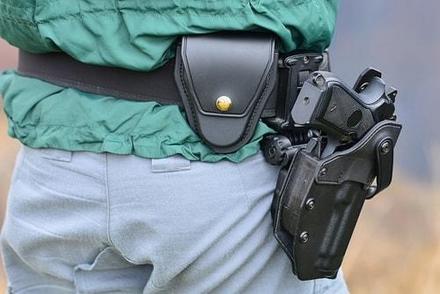 If you are a gun owner, it is important that you understand gun laws in Wisconsin. Failure to follow these rules could mean facing serious criminal charges.
Quick Gun Law Overview
Wisconsin is an open carry state. This means that gun owners can carry a loaded gun in public. Gun owners do not need a permit or license to carry a gun in public. A person is considered to be “openly carrying” a gun when a casual observer can see the weapon.
To open carry, you need to be at least 18 years old. While permits are not required to carry a gun unconcealed, gun owners need a license to carry a weapon in a concealed manner. Also, cities or counties cannot make laws on gun possession that conflict with the state’s open carry laws.
Where Can You Not Open Carry?
Wisconsin does limit where open carrying is allowed. You cannot open carry, even if you have a concealed weapons license, in the following locations:
4 Things to Photograph at the Scene of a Car Accident
 If you have been injured in a car accident, there are steps you can follow to help your case, should you choose to file a personal injury claim. One easy thing is to take photos and record videos in the moments after your accident with your smartphone.
Many people forget to document the accident scene. Photos and video are usually great tools in a civil case because they can convey to the jury many important details of the accident. If there are no photos, the jury must rely on testimony instead. Testimony is not as compelling as visual images and can also be more easily disbelieved.
It is important to remember, though, that your health and safety is the first priority. Do not attempt to take photographs if you are seriously injured. Also, only if you are able, be sure that you call the police and trade insurance and contact information with the other driver involved in the accident.
Increased Penalties for Repeat Drunk Driving
 A new law enacted by the Wisconsin Legislature and signed by Governor Walker in April 2016, became effective on January 1, 2017, sharply increases penalties on repeat drunk driving cases.
2015 Wisconsin Act 371 makes a fourth drunk driving offense a felony for all purposes, regardless of when the previous OWI convictions occurred. Under previous law, a fourth offense OWI would constitute a felony only if it was committed within five (5) years of a third offense drunk driving conviction. Otherwise, it remained a misdemeanor. Act 371 eliminates this distinction.
A fourth offense OWI conviction is a Class H felony, carrying a maximum potential sentence of six (6) years in prison, a mandatory minimum period of incarceration and fines up to $10,000.
Act 371 also increases the maximum prison sentences for fifth and sixth drunk driving offenses from Class H to Class G felonies, which carry longer potential prison terms and mandatory minimums. Convictions for seventh, eighth and ninth offense drunk driving are now Class F felonies. A tenth or subsequent drunk driving offense is now a Class E felony.
Your Options When Hit by an Uninsured Driver in Wisconsin
 Liability insurance is required for all drivers in the state Wisconsin. However, about 10 percent of drivers use an automobile without car insurance, per the Insurance Research Council. If someone without liability insurance is at fault for your car accident, you must take special steps to have your injuries compensated.
Negotiating with Your Insurer
Under Wisconsin law, all drivers must carry uninsured motorists insurance. If you have injuries to yourself, your car, your or property, you can file a claim against your own insurer under your uninsured motorist policy. You may be entitled to the same compensation under your policy as you would if you filed a claim against the at-fault driver’s insurance company. Those damages include lost wages, medical costs, and pain and suffering.
There are other options as well. You may be able to sue the driver at fault personally. This situation is less common because typically people who go without car insurance have few assets that could be used to compensate you. Another option is that the driver will have to pay a deposit under the Safety Responsibility Law.
Snowmobilers Who Drink and Drive: What's the Law?
 By James Lewis
Winter in Wisconsin is in full-swing now, and more than 25,000 miles of snowmobile trails are open. The 2016-17 snowmobile season will see more than 200,000 riders throughout the state. Before taking to the trails, it is important that you know about how Wisconsin OWI laws affect snowmobile operators.
First, if you are driving your snowmobile on a public trail, road or highway, then Wisconsin OWI laws, the legal limit (.08 BAC) and penalties will likely apply to you if you drink alcohol and drive your snowmobile. If you are on private property, then the rules on having to submit to a chemical test may differ, unless another criminal offense or accident has occurred. Going off-trail, onto lakes, etc., can vary the penalties that apply. Fines for a snowmobile OWI can range between $400 and $2000, depending on how many similar infractions you have on your record and the nature of the incident. In addition to fines, drivers found to be operating under the influence of alcohol may also have their privilege to operate a snowmobile revoked by a court upon conviction. However, unlike automobile OWI law, which counts the lifetime number of prior OWI violations, the snowmobile OWI laws only count violations within the previous five years.
Helping Your Child Recover after a Concussion
 Each year, around 2.5 million people visit the emergency room for a traumatic brain injury (TBI). Some of those visitors are children who sustained their injury during an automobile crash. In fact, according to the Centers for Disease Control and Prevention, motor vehicle crashes are the leading cause of TBI among children and young adults between five and 24 years of age. If your child has suffered a concussion because of a traffic accident, learn how you can help them recover, and what your legal rights are regarding compensation.
Study Finds Parents Are Often Too Restrictive after Brain Injuries
Children who suffer a concussion need rest, but researchers from the UCLA Health say parents are actually giving their children too much downtime after injury. Exercise is important to their recovery, as long as it does not put them at risk for further injury (no sports and no “rough” play). So is socialization with their peers. Parents should also avoid waking their child up in the night to check on them since a lack of sleep, which is often the result of this outdated advice, might make their headache and mood worse. In short, protect your child, but still give them a chance to be a child.