WE RESPOND TO YOUR NEEDS 414-271-1440
Recent Blog Posts
What Are Some Common Property Division Conflicts in a Wisconsin Divorce?
Dividing marital property can be one of the most difficult parts of a divorce, not only because you and your spouse may both have strong personal feelings about many of your possessions, but also because you each need sufficient assets to support yourself after the divorce. As you prepare for your divorce, you should take note of some of the assets and properties that often cause conflict so that you can make a plan to address each one.
How Is Property Divided in a Wisconsin Divorce?
In Wisconsin, divorcing couples are required to divide all marital property, which generally includes anything acquired by either spouse during the marriage except in the case of a gift, inheritance, or benefit related to someone else’s death. Wisconsin also has a baseline requirement that marital property be divided equally between both spouses, meaning a 50/50 split, although this can sometimes be adjusted based on factors including the length of the marriage, each spouse’s contributions to the marriage, and each spouse’s earning capacity and financial needs.
How Can I Recover Damages After a Wisconsin Motorcycle Accident?
Motorcycle crashes in Wisconsin are particularly dangerous, with over 90 percent of motorcyclists who are involved in an accident suffering an injury or losing their lives. Perhaps even more astonishingly, nearly 14 percent of all vehicle accident fatalities are motorcyclists, despite the fact that they account for less than 2 percent of Wisconsin accidents. It is clear that an accident can have a severe impact on a motorcyclist’s life, and if you have been injured by another driver, it is important for you to understand how you can pursue compensation for the damages you have suffered.
Common Causes of Motorcycle Accidents
When a motorcycle accident is caused by another driver, it is often because the other driver failed to see or detect the motorcycle, perhaps because of a distraction, inattentiveness due to driver fatigue, or alcohol impairment. As with other types of accidents, excessive speed can also be a contributing factor. Some motorcycle accidents also occur because another driver fails to respect or account for the motorcyclist’s right to share the road.
Can a Criminal Conviction Affect My Parental Rights in Wisconsin?
If you are facing criminal charges, you are likely concerned about the potential penalties, including fines and imprisonment. However, the impact a conviction may have on your parental rights regarding your current and future children can be equally concerning. Convictions for violent and sensitive crimes, in particular, can impact your relationship with your children, so it is important that you hire a skilled attorney who can help you defend against false, exaggerated, or unfair allegations.
Criminal Records and Child Custody in Wisconsin
One way that a criminal record can affect your parental rights in Wisconsin is in legal proceedings involving child custody and placement, including after a divorce or separation. When determining whether to award a parent sole or joint custody of a child, the court will consider first and foremost whether the decision is in the child’s best interests. If a parent has a history of child abuse, interspousal abuse, other forms of domestic abuse, or alcohol and drug abuse, the court may rule that the parent poses a risk to the child’s well-being, and it may award full custody to the other parent as a result. Relevant criminal convictions may be used as evidence to establish a parent’s history of abuse.
Can I Relocate With My Children After a Wisconsin Divorce?
It may seem odd that the decision to move to a new location could belong to anyone other than yourself, but the fact is that after a divorce involving minor children, this is often the case. As frustrating as this may be, your relocation can affect not only your own life, but also your children’s other parent, and perhaps most importantly, your children. This does not mean that you can never move after your divorce, but it does mean that you will sometimes require legal approval to do so.
When Does Relocation Require Court Permission in Wisconsin?
Moving is a necessary part of almost any divorce, since at least one partner will have to find a new home after the separation. In Wisconsin, moves to a location within 100 miles of the other parent’s residence typically require no special approval. However, if you are planning to move 100 miles or more, you will need to follow the necessary procedures, which include:
What Damages Can I Pursue in a Wisconsin Personal Injury Case?
Car accidents affect a large number of Wisconsin residents each year, with more than 30,000 resulting in injuries and more than 500 resulting in fatalities. Unfortunately, many of the people affected bear no fault for the damages they suffer. If you have been injured, you may be facing expensive medical treatment in the immediate future as well as lasting consequences that can affect you for the rest of your life. When these challenges feel like too much to bear, you need an attorney who can help you identify all damages for which you can pursue compensation from an at-fault party.
Possible Damages Awarded to Wisconsin Personal Injury Victims
When your injuries are caused by the negligence of another driver or a third party, you have the right to pursue compensation through a personal injury claim. When determining how much compensation to pursue, you should consider all of the following:
- Medical expenses: The cost of treatment for your injuries may be significant both initially and over time. You should keep records of all expenses related to your medical care, including transportation and emergency treatment, examinations, surgery, medication, and rehabilitation, as you may be able to pursue compensation for the entirety of these costs.
Gov. Evers Issues New Restrictions on Indoor Public Gatherings
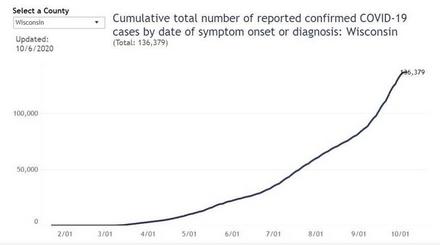
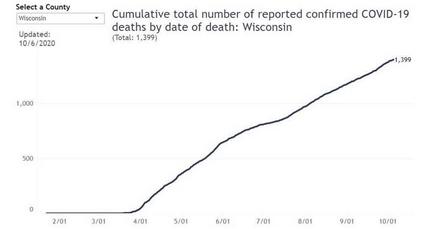
Due to an unprecedented number of COVID infections, hospitalizations, and deaths in Wisconsin, Governor Tony Evers has issued a new emergency order stating that indoor public gatherings must be limited to 25% or less of a room or building's public occupancy capacity. This order applies to all locations that are open to the public, including stores, restaurants, businesses, and ticketed events. The governor also urged Wisconsinites to stay home whenever possible, wear masks, wash their hands frequently, get tested following exposure to COVID-19 or after experiencing any symptoms, and receive flu shots. Please visit the state of Wisconsin's COVID-19 dashboard for more information about how the state has been affected by the pandemic. Here is Gov. Evers' press release:
Gov. Evers Directs Department of Health Services to Limit Indoor Public Gatherings
Should We Include Virtual Visitation In Our Wisconsin Custody Agreement?
If you are a divorced or single parent, you likely know the importance of outlining when and where your child will physically reside in your parenting agreement. Virtual visitation via electronic communication is perhaps a lesser-known component of a parenting agreement, but it can be a great option for children and parents for whom physical visitation is not always possible.
When Is Virtual Visitation a Good Idea?
Virtual visitation can occur via phone, video chat, text, email, or any other electronic means, and it can be useful in a variety of situations to allow children to regularly communicate and maintain relationships with their parents. Some examples of when you might consider virtual visitation include:
- When parents live far from each other: In Wisconsin, a parent who wishes to relocate more than 100 miles away from the other parent must obtain court approval, and they must often demonstrate that the relocation will not detract from the children’s relationship with the other parent. Virtual visitation is one way to ensure that this relationship continues.
How Can I Make Sure My Wisconsin Prenuptial Agreement Is Valid?
Whether you are getting married for the first time or remarrying after a divorce, a prenuptial agreement can help you and your partner enter your marriage with a clear understanding of each other’s needs and interests regarding marital and non-marital property. Getting a prenuptial agreement does not mean that you believe a divorce is inevitable, but it is important that you go about the process of creating an agreement correctly to make sure that it is valid and enforceable if you do decide to divorce later on.
Creating an Enforceable Prenuptial Agreement in Wisconsin
In most cases, the terms of a prenuptial agreement will be honored during the divorce process. However, actions during the process of creating the agreement may make some or all of a prenup’s terms unenforceable. If you want to ensure that your prenuptial agreement is legally valid, you should:
- Be honest about your property and finances. It is important to provide your partner with a full disclosure of your properties and debts before creating a prenuptial agreement. Withholding important information may nullify the agreement.
Gov. Evers Declares New Public Health Emergency Due to Sharp Increase in 18-24 Year-Olds With COVID Infections
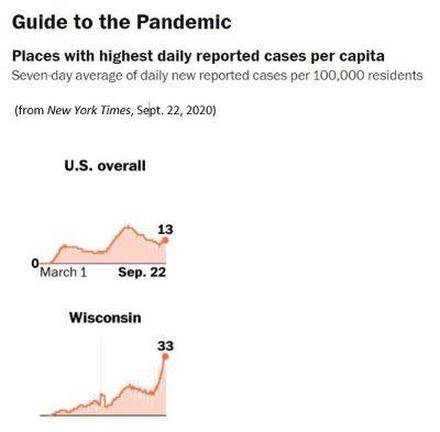
Due to a sharp increase in the number of COVID-19 cases in Wisconsin, Governor Tony Evers has declared a new public health emergency in addition to the previous emergency declaration made on July 30. This surge in cases has mostly affected people between the ages of 18 and 24, including those on college campuses and who have attended social gatherings. To address these concerns Gov. Evers also issued an executive order requiring Wisconsin residents who are five years old or more to wear masks or other face coverings whenever they are indoors or in enclosed spaces with people other than those in their household or family. Here is Gov. Evers' press release:
Gov. Evers Declares New Public Health Emergency Due to Campus Outbreaks, Issues New Face Coverings Order
MADISON — Gov. Tony Evers today declared a new public health emergency in Wisconsin due to recent surge in cases among young people and issued a new face coverings order effective immediately. Executive Order #90 is available here. Emergency Order #1 is available here. Both orders are effective immediately and will expire after sixty days or with a subsequent superseding order. The governor previously declared a public health emergency under Executive Order #82, which remains in effect.
How Can I Determine Who Is at Fault for a Wisconsin Car Accident?
If you are injured in an accident, you may understandably be preoccupied with your pain and the need for medical attention in the immediate aftermath. However, when you see the medical bills for your necessary treatment, your concern may quickly shift to your ability to pay. At this point, it is important to identify who was at fault for the accident to determine whether it is possible to pursue a personal injury claim or lawsuit that can get you the compensation you need to cover your expenses.
When Is a Driver Liable for an Accident in Wisconsin?
Accident liability is determined by a driver’s negligence. In order to obtain compensation through a lawsuit, you will likely need to demonstrate that another driver in the accident acted carelessly or dangerously, violating his or her duty of care to you and causing the accident that led to your injuries.
In Wisconsin, some of the most dangerous and deadly forms of negligence are speeding and drunk driving, both of which cause over 160 fatalities and thousands of injuries each year. If you are able to gather evidence of these behaviors in the form of witness testimony, camera footage, crash reports, and blood alcohol test results, this may increase your chances of receiving full compensation.