WE RESPOND TO YOUR NEEDS 414-271-1440
Can Police Get a Warrant for My Doorbell Footage?
If you have a Ring camera, a Nest doorbell, or any other video device mounted outside your home, you may have wondered what happens to that footage if the police come knocking. Can they take it? Can they demand it from the company directly? And what happens if someone shares your footage without your permission? 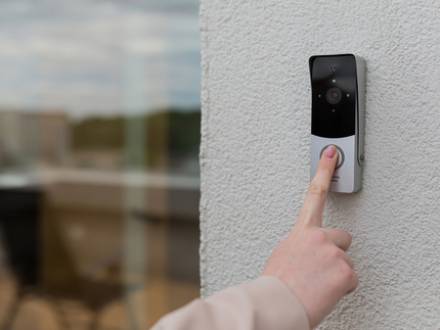
These are real legal questions that come up constantly in 2026. If you have pressing legal questions about police and doorbell footage, or your video has already ended up somewhere it should not be, you deserve answers from our experienced Milwaukee, WI civil litigation and criminal defense attorneys.
Can Police Get Access to My Doorbell Camera Footage?
Police can access your doorbell camera footage, but how they do it depends on the conditions of each case, who they ask for access, and what legal process they follow.
If police come to you directly and ask for your footage, you have the right to say no. You are not required to hand over your video simply because an officer asks. However, if law enforcement has a valid search warrant, they can make you give them the footage. A warrant must be based on probable cause, meaning police need a legitimate legal reason to believe the footage contains evidence of a crime. This requirement comes from the Fourth Amendment to the United States Constitution, which protects people against unreasonable searches and seizures.
The more complicated situation involves police going directly to the camera company instead of to you. Ring, which is owned by Amazon, has faced significant public scrutiny over its law enforcement partnerships. For years, Ring operated a program that allowed police departments to request footage directly from users through a portal called the Neighbors app. In 2022, Ring announced it would no longer allow police to use that portal to make bulk requests for footage. However, law enforcement can still obtain footage directly from Ring by serving the company with a subpoena, court order, or search warrant. They do not have to notify you first.
Here is what that means in plain terms:
- If police have a valid warrant, Ring and other companies are legally required to hand over footage they have stored on their servers.
- You may not find out this happened until after the fact, if at all.
- Cloud-stored footage is particularly vulnerable because it exists on a company's servers, not just on your device.
This is why understanding your camera's storage settings matters. Footage stored only on a local device in your home generally requires a warrant directed at you personally. Footage uploaded to the cloud can be obtained from the company directly.
Can Police Share My Doorbell Footage Without My Permission?
Once the police have your doorbell footage, either by asking you directly or by going through the camera company, you have little control over what happens to it next. Police can generally share evidence they have lawfully obtained with prosecutors, other agencies, and in some cases the public, without asking you first. This might include news organizations, which in turn may upload it all over the internet.
If your footage becomes part of a criminal investigation or court proceeding, it could end up in documents or hearings that are part of the public record. There are also situations where footage obtained by police has been leaked or shared informally, outside of any official process. This brings up serious legal and civil rights questions. If you believe your footage was obtained or shared improperly, speaking with an attorney is the most important step you can take.
What Are My Rights If My Doorbell Footage Is Shared Without My Permission?
Doorbell camera footage being shared without permission is a situation more people are dealing with as doorbell cameras become standard across the country. If your footage was shared without your consent, whether by an individual, the police, or even a company, you may have legal recourse depending on how it was shared and what it captured.
When is it Illegal to Share Someone Else’s Doorbell Footage?
There are situations where sharing doorbell footage can cross a legal line:
- Sharing footage that captures private activity inside someone's home, even if the camera is mounted outside, can raise serious privacy concerns under both state and federal law.
- If footage is shared in a way that damages someone's reputation and the content is false or misleading, defamation claims may apply.
- If a company shares your footage in a way that violates its own terms of service or privacy policy, you may have grounds for a civil claim against that company.
If any of these situations have happened to you, call one of our attorneys right away at 414-271-1440.
What to Do If Your Footage Has Gone Viral
If video you appear in has been shared without your permission and has spread online, take action as soon as possible. The longer the footage circulates, the harder it becomes to contain.
- Document as much information as you can find. Take screenshots of where the footage is posted, who shared it, and when.
- Do not confront anyone directly or post about it publicly. You can easily get yourself in trouble without realizing it.
- Contact the platform where the footage is posted and submit a formal takedown request. Most major platforms have privacy violation reporting tools.
Even if you aren’t sure you want to take action, speak with an attorney as soon as possible. A civil rights lawyer can assess whether your privacy rights were violated, whether you have a claim against the person or company that shared the footage, and what options you have.
What to Do if You’re Facing Legal Threats for Sharing Doorbell Footage
Legal threats over shared doorbell camera footage can come from several directions:
- A private person may claim their privacy was violated.
- A law enforcement agency may claim that sharing the footage interfered with an investigation or violated a court order.
- A person who appears in the footage may pursue a civil claim arguing that the distribution caused them harm, particularly if the video went viral or was shared in a context meant to embarrass or damage their reputation.
If you shared doorbell footage, whether it was your own camera or someone else's, and you are now facing legal threats, taking the right steps now can make a significant difference in how things unfold.
Stop Sharing the Footage
If it is still posted anywhere you control, take it down right away. This does not erase liability that may already exist, but it demonstrates good faith and prevents the situation from getting worse.
Don’t Destroy Evidence
Do not delete anything from your own devices without speaking to an attorney first. Deleting evidence after you are aware of a legal threat can create a separate legal problem called spoliation, which means the destruction of evidence relevant to a legal proceeding.
Talk to an Attorney Before You Respond
Do not respond to any legal correspondence, demand letters, or law enforcement inquiries on your own. Anything you say can be used against you. What seems like an innocent explanation can complicate your defense.
Call a Milwaukee, Wisconsin Civil Rights Attorney Today
If your doorbell footage was shared without your permission, if law enforcement has requested your video, or if you believe your privacy rights have been violated, you need answers. Contact a Wisconsin criminal defense and civil rights lawyer today by calling Gimbel, Reilly, Guerin & Brown, LLP at 414-271-1440. Our firm has the knowledge and resources to protect your rights and fight for the outcome you deserve.