WE RESPOND TO YOUR NEEDS 414-271-1440
Recent Blog Posts
Who Is at Fault When a Car Accident Occurs in a Construction Zone?
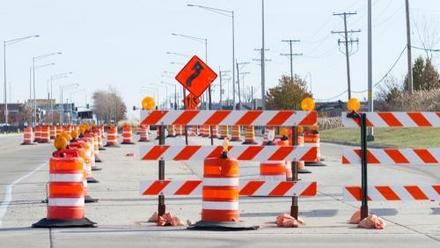
You may be driving on a road in a place where you travel all the time, when suddenly the road changes in some way due to construction. Construction zones pose significant risks to motorists, because they can unpredictably change a road, and drivers may be unsure about the proper ways to navigate these changes. In addition, construction zones can create dangerous roadway conditions if care is not taken to properly set up detours or closed lanes. Due to these factors, car accidents in construction zones are common. In fact, Wisconsin sees about 2,000 work zone accidents each year.
Causes of Construction Zone Wrecks
Every construction zone is different, and there are numerous ways drivers become involved in construction zone accidents. Some of these ways include:
- Traffic may slow due to a reduction of the number of lanes of travel. An accident may occur if a driver does not notice that he or she needs to merge.
The Dangers of Bicycle Accidents Caused By "Dooring"
By Law Clerk Jason Findling
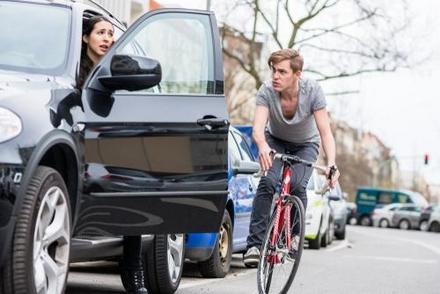
“Dooring” is a type of traffic accident where a bicyclist crashes into an open car door while riding on the road or a bicycle path. Opening a car door without checking for bike riders may cause a cyclist to collide with the car door, fall from their bike, and be thrown into traffic. These types of traffic bicycle accidents often cause serious injuries to cyclists and can even result in death to a biker. So, it is crucial that car drivers and passengers pay attention to their surroundings when opening car doors in bike lanes or in any other situation where a bicyclist may be near their vehicle.
Wisconsin Law on Dooring
Under Wisconsin law, the person opening a car door is responsible for looking to see if a cyclist, pedestrian, or another motor vehicle will be hit by their car door if it is opened. While sometimes the cyclist is at fault, a court is more likely to conclude that the car occupant should have taken more precaution before opening their door. Because car drivers often have enough time to double-check for oncoming bike riders, car occupants need to ensure that opening their car door will not interfere with traffic or cause a crash.
Elder Law: Guardianship vs. Power of Attorney

Estate planning is critical for everyone. Without a will in place, you will have no say about where your assets will go when you die. Two other areas of estate planning law that are often forgotten about but can be just as important are guardianship and power of attorney.
These two legal mechanisms are relevant when a person no longer has the capacity to make decisions for him or herself. If someone you love is in this situation, it is important to speak to an attorney to ensure that you have the legal protection you need when caring for them. Likewise, an attorney can help complete the necessary documents ahead of time, ensuring that your needs will be met and your wishes will be followed if you or your loved ones ever become incapacitated.
How Will an OWI Arrest or Conviction Affect My Medical License?
 By
By Being arrested for operating while intoxicated is scary. The first thing most people worry about is how the arrest and subsequent conviction will affect their driver’s license and their ability to drive. They hire an attorney who is experienced with OWI cases. But, if you are a healthcare professional in Wisconsin, you also need an attorney who is experienced with professional licensing defense.
Depending on your professional license, you may or may not need to report your OWI conviction to the licensing board that granted you your license. If you are renewing your license while the case is pending, meaning after your arrest but before the case is resolved, you will most likely need to report the arrest on your renewal application.
The Pros and Cons of Using Mediation for Your Civil Case
 By Law Clerk Nathan Froemming
A civil case involves a conflict between you, or your company, and another person or company. Mediation is often the best way to resolve a civil conflict, since it can save time and money for both parties. Mediation has become a common way to resolve disputes between parties and is an alternative to asking a court to make a decision. It is important for any civil litigant to understand what mediation is, as well as some of its benefits and drawbacks.
What Is Mediation?
Mediation is a cooperative problem-solving process in which a neutral professional guides the parties in clearly identifying the issues in dispute and coming to agreements that are in the best interests of all parties. The mediator will not make a final decision in the case. Rather, it is the parties’ responsibility to arrive at a settlement. Mediation can be used as a tool to successfully resolve disputes in a wide variety of areas—including divorce, business, personal injury, malpractice, and many more.
Gov. Evers Hopes to Have Pardon Advisory Board in Place By Summer
 With Governor Tony Evers in office, many people in Wisconsin are excited that pardons will be available once again. Unfortunately, the process of granting pardons to Wisconsin residents has gotten off to a slow start. Governor Evers, who promised during the campaign to issue pardons, said that he is “disappointed” that his administration has not set up the Pardon Advisory Board nearly four months into his term.
The Pardon Advisory Board will be made up of about 15 people who will review applications from felons and make recommendations to the governor. Gov. Evers said that he has a team of three lawyers who are working to revive the pardons review board and is hopeful that the Pardon Advisory Board will be operational by summer. Evers explained that his lawyers have not had enough time to resolve this pardon issue because they have been busy focusing on legal challenges to the lame-duck legislative session Republicans started in December.
Expungement Reform Continues to Gain Legislative Support in Wisconsin
After receiving overwhelming support from both Republicans and Democrats, Wisconsin lawmakers have continued to push for legislation that would allow more people to seek expungement. The bill is called the “Pathways to Employment,” a title that illustrates the purpose behind the proposed law: to help former non-violent offenders transition from prison into the workforce. The Pathways to Employment bill is designed to provide persons convicted of lower-level crimes with a second chance at life and also seeks to reduce Wisconsin’s labor shortage.
Expungement involves a person petitioning to have his or her criminal convictions expunged, or cleared from the public court record. Because a criminal record can hinder a person’s ability to secure housing, employment, financial aid, and other opportunities that require a background check, this new expungement law truly provides people with a second chance. Since the Pathways to Employment bill passed at the committee level with bipartisan support in both chambers, supporters believe that this bill will soon become law. A full vote to determine whether this expungement bill will become law is scheduled to take place in May.
5 Spring Safety Tips to Help Avoid Motorcycle Accidents
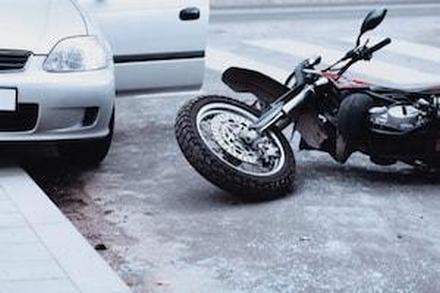 It is springtime, which means motorcyclists will removing the covers off their motorcycles and going for their first ride in months. If you are a motorcyclist, you should take this time to re-familiarize yourself with safety tips that will help you avoid accidents.
Follow these tips to avoid a motorcycle accident this spring.
- Mind the weather. Spring is notoriously a wet time of year, and roads are often slippery or muddy. You should never assume the depth of standing water.
- Inspect your bike. Your tires should be free from cracks, bulges, and signs of wear in the treads. You should also look under your bike for any signs of oil or gasoline leaks. All fluid levels should be tested, and any burned out headlights, tail lights, or signals should be replaced.
- Conduct additional inspections once mounted and riding for the first time. When you first get on your bike, there are additional areas that should be checked. The clutch and throttle should slide easily. Mirrors should be readjusted and cleaned. Brakes should feel firm, and the horn should be adequately loud.
Drone Operation Can Lead to Criminal Charges
 Drones have become popular in several industries and among personal users. As such, Wisconsin has passed laws prohibiting certain acts involving drones. This is an emerging area of law, and ignorance of the law is not a defense to criminal charges. If you use a drone or are considering using a drone, you should educate yourself on drone laws.
What Is a Drone? How Are They Used?
Under Wisconsin law, a drone is defined as an aircraft operated without the possibility of direct human intervention from within or on the aircraft. The number of drones purchased each year continues to increase as drone technology and utility improves. In January 2018, more than one million drones were registered with the Federal Aviation Administration.
Drones can be used in many ways, including:
- Aerial photography for journalism and film
- Shipping and delivery
Pardon Requests Being Made to Wisconsin Governor’s Office
 The news that pardons will once again be granted in Wisconsin has gotten out, and pardon applications have begun rolling in. It is expected that once the Pardon Advisory Board is fully filled, even more pardon requests will be received by the state.
The Pardon Advisory Board reviews pardon applications and makes recommendations to the Governor. Some of those seeking pardons ask for commutation of a sentence, while others have served their sentences and want to receive a pardon in order to be able to move on with their lives. Pardons typically restore all civil litigation that were affected by the conviction, such as the right to vote, serve on a jury, possess a firearm, hold certain professional licenses, and run for office.
Why Are Pardons Now an Option?
The new Wisconsin governor, Tony Evers, has recently announced that his office will entertain pardon requests. The prior governor, Scott Walker, had placed a moratorium on considering any pardons.