WE RESPOND TO YOUR NEEDS 414-271-1440
Recent Blog Posts
Does Marsy's Law Interfere With Defendant's Rights?
Marsy’s Law is an initiative meant to protect crime victims' rights. This is a national proposal that has already been adopted in a handful of states, including Ohio. It has also been rejected in others, including Idaho and Maine. However, some legal scholars are concerned about the impact Marsy’s Law could have on the constitutional rights of criminal defendants.
What Does Marsy’s Law Provide?
Some provisions in Marsy’s Law are a bit vague. In general, the law is designed to protect victims who have reported a crime against them as they participate in the criminal justice process. Provisions include:
-
Victims have the right to be treated with “dignity, respect, courtesy, sensitivity, and fairness.”
-
Victims’ rights can be legally enforced the same way that defendants' rights can be enforced.
-
Victims have the right to “reasonable protections from the accused throughout the criminal justice process.”
What Are My Options Following a Car Accident With an Uninsured Driver?
Those who are involved in car accidents are likely to experience a number of different types of difficulties. In high-speed collisions or other serious cases, emergency medical treatment may be needed, and a victim may receive multiple forms of ongoing care. Even in seemingly minor collisions, a person’s vehicle is likely to be damaged, requiring expensive repairs. In many cases, car accident victims will be covered by the insurance policy of the driver who was at fault for the collision. However, if a driver did not have the required insurance coverage, this may leave victims unsure about their options and uncertain about how they will address their financial expenses and other ways they have been affected.
Uninsured and Underinsured Motorist Coverage
In situations where an at-fault driver is uninsured, others involved in an accident will usually be able to receive coverage under their own auto insurance policy. Wisconsin law requires liability insurance policies to include uninsured motorist coverage. The minimum limits for this coverage are the same as the minimum limits for liability insurance: $25,000 for the bodily injury or death per person, $50,000 for the bodily injury or death per accident, and $1,000 of medical payments coverage per person.
Phone and Email Scams to Watch Out for During Tax Season
During the first few months of each year, as April 15th looms, many people are concerned about the requirements for filing their annual federal and state income tax returns. The tax filing process can be stressful, and many taxpayers may be worried about whether they will owe taxes or whether they may face penalties if they provide the wrong information to the Internal Revenue Service (IRS). Unfortunately, this provides scammers with the opportunity to target people and attempt to steal their money or personal information. Those who have been affected by these types of scams can consult with an attorney who understands legal issues related to cybersecurity.
Common Tax-Related Scams
Scammers may use a number of different methods of contacting people, convincing them that they owe money, or asking them to disclose personal information that may be used to commit identity theft. These methods include:
Knowing the Difference Between Marital and Separate Property
 By:
By: Wisconsin is a community property state, meaning that most property acquired by a married couple belongs equally to both. During a divorce, marital property is to be divided equally. This usually means 50/50, although there are a few reasons the court might deviate from this standard. One of the first steps of property division during divorce is sorting through all property owned by the spouses in order to determine what is marital property and what is separate property. Certain types of property acquired during the marriage by one spouse could be considered separate property. Conversely, some property owned by one spouse alone before the marriage could be considered marital property and subject to division during divorce.
Making this determination can be complicated. You will likely need to enlist an attorney to help you sort this out if you are going through a divorce.
What is Considered Separate Property or Marital Property in Wisconsin?
Top 6 Crimes People Get Arrested For in Milwaukee
 By:
By: Watching the local news may lead you to believe that people are constantly being caught and arrested for very serious crimes, like violent felonies and even murder. However, this is not quite true. The most common offenses that people get arrested for may surprise you. While we like to think that jails exist to keep dangerous offenders out of the community where they cannot hurt anyone, the local jails are typically filled with non-violent offenders.
If you have already been arrested, you need not feel alone. Hundreds of people are arrested every day in Wisconsin. If this is the situation you are in, a qualified defense attorney may be able to help minimize the impact your arrest will have on your life.
What Are the Most Common Reasons People Get Arrested?
Note that the most common causes of arrest can vary depending on the season and exactly where you live. The pandemic has also had an impact on what types of crimes and arrests are most common. Some of the most common crimes people are arrested for include:
The Blurred Line Between Trespass and Burglary
 By:
By: Even the more serious forms of criminal trespassing are generally charged as a misdemeanor, carrying no more than a year in jail at the worst. Burglary, however, is at minimum a Class F felony, punishable by up to 12 years and six months in prison. The punishments for these offenses are wildly different, but these Wisconsin offenses themselves can be strikingly similar. The line between trespass and burglary is less clear than most people realize. Both involve entering or remaining in another’s property without consent. The difference may hinge on what the state thinks you were planning to do in there. If you are facing either charge, it is important to seek out a skilled defense attorney who can fight to minimize the legal jeopardy you are in
What is the Difference Between Criminal Trespass and Burglary?
First, it is important to note that in Wisconsin, there are different categories of both offenses depending on the type of property unlawfully entered and any offense you allegedly planned to commit inside. The degree of the felony or misdemeanor charged can vary based on a number of factors. That said, the definition of “burglary” may be much wider than you would expect
Avoiding Social Security Scams in Wisconsin
 By:
By: Scams are growing more and more sophisticated with each passing year. Avoiding scams can be difficult, due to both how common they are and how convincing they can appear to be. The elderly are perhaps the most common targets for Social Security and Medicare scams, although people of all ages can and do fall victim to scam artists. The Federal Trade Commission (FTC) reports that victims lost millions of dollars to social security scams in 2018 alone, and that number is only increasing. Keeping yourself, your family and your elderly or more vulnerable loved ones up to date and educated about current common scams is one of the best ways to stop these predatory criminals from victimizing more individuals. Read the governmental agency links on how best to avoid scams. Contact a lawyer knowledgeable about consumer protection laws for help if you or a loved one were the victim of a scam or identity theft.
COVID Scams to Watch Out For
 The pandemic has brought out the best in a lot of people. Communities have banded together to help each other out and look out for the most vulnerable. Sadly, there are those who have taken advantage of the pandemic by inventing creative new scams. Many of these scams are designed to take advantage of more vulnerable people, especially the elderly. Spotting scams can be tricky. Scammers are often adept at creating a sense of panic, forcing victims to act quickly before they have a chance to fully evaluate and think through the situation. People who are already aware of these new scams and techniques stand a better chance of avoiding falling prey to them.
If you already have been a victim, do not be too embarrassed. Scam artists are good at what they do and it happens to a lot of people. If you were harmed by a COVID scam, a lawyer may be able to assist you.
What Scams Based Around COVID Should I Be Aware Of?
A little knowledge can go a long way towards avoiding scams. Make sure to pass on these warnings to anyone you know who may be more vulnerable to them. COVID scams include:
Top Reasons Wisconsin Healthcare Professionals Lose Their Licenses
 By:
By: Doctors, nurses, therapists, and other health care professionals work extremely hard to obtain their professional licenses. Between schooling, practical training, and undergoing background checks or even enduring questions about mental health, it is not easy to get a professional license in the health care industry. Losing a license can be devastating, and it can happen for a number of reasons. Both criminal charges, whether or not they are related to your work, and some civil issues can lead to the loss of a medical license. In many cases, successfully defending against a criminal or civil accusation will preserve your license. You may need the skill of an experienced attorney to help you protect your career.
What Criminal Issues Can Lead to the Loss of a Healthcare Professional License?
The biggest reason medical professionals lose their licenses is for committing a crime related to their profession. This can involve anything from stealing narcotics from a hospital to assaulting a patient. Over-prescribing addictive drugs to the extent that patients are harmed is taken extremely seriously. Financial crimes by medical practices, like illegal kickback schemes entered into with pharmaceutical company representatives are not entirely uncommon. Various types of fraud related to billing or in dealing with health insurance companies can result in criminal charges leading to a revoked license.
Legal Options After a Winter Slip and Fall Accident in Wisconsin
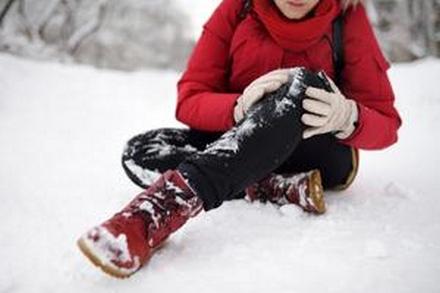 Slip and fall accidents are one of the leading causes of personal injury in the winter. Sometimes, these accidents are the unavoidable result of harsh weather conditions. Other times, it is someone’s carelessness that leads others to fall and get hurt. Many slips and falls are entirely preventable when property owners and business operators use reasonable care to keep those on their premises safe. A number of careless practices when it comes to managing winter weather conditions can make accidents more likely.
Demonstrating liability for a slip and fall can be challenging, due to a number of Wisconsin state laws. Whether you will be able to recover is highly dependent on the specific facts of your case. You will most likely need to speak with an attorney first to determine whether you may be eligible for compensation.
What Causes Winter Slip and Falls - and Could I Recover?
Wisconsin land and business owners may not be liable for every slip and fall that happens on their property due to active weather conditions. However, Milwaukee and a number of other Wisconsin cities have local ordinances that require those with properties abutting a sidewalk or other public walkways to clear snow and ice accumulations after the winter storm has stopped. Common reasons people are injured after slipping and falling in the winter include: