WE RESPOND TO YOUR NEEDS 414-271-1440
What Are the Different Types of Guardianship in Wisconsin?
 Guardianship is a legal relationship where a court appoints someone to make decisions for another person who cannot make those decisions themselves. This might be a grandparent raising your grandchild, an adult child caring for an aging parent, or someone stepping in after a family tragedy.
The guardianship process can feel overwhelming, but you do not have to figure it out alone. Our Milwaukee guardianship attorneys offer free consultations for family law issues. We can guide you through every step of establishing the right type of guardianship for your situation.
What Is Guardianship?
Guardianship is a court-ordered arrangement that gives one person the legal authority to make decisions for another person. The person who needs help is called the ward. The person appointed to help them is called the guardian.
Under Wisconsin Statute Section 54.10, courts can appoint guardians when it is in the best interest of the person who needs protection. Guardianship is a serious legal responsibility that requires court approval and ongoing oversight.
When Is Guardianship Necessary?
Guardianship is not always the first option, but it becomes necessary in certain situations. You might need to establish guardianship if a child's parents are unable to care for them. Guardianship may also be needed when an elderly person with dementia can no longer manage their finances or make medical decisions safely. Guardianship can also be used when an adult with a developmental disability needs someone to help them make important life decisions.
Courts take guardianship seriously because it removes some or all of a person's legal rights. Before appointing a guardian, the court must determine that less restrictive options will not work and that guardianship truly serves the ward's best interests.
What Is Guardianship of a Minor Child?
Guardianship of a minor child gives an adult the legal authority to care for a child and make decisions about their upbringing. This includes decisions about where the child lives, what school they attend, and what medical care they receive.
Parents naturally have these rights, but sometimes parents cannot exercise them. When that happens, another adult can petition the court to become the child's guardian. The court will consider what arrangement serves the child's best interests.
Guardianship of a minor is different from adoption. Adoption permanently ends the legal relationship between a child and their biological parents. Guardianship is usually temporary and can be reversed if circumstances change. Parents may retain some rights even when a guardian is appointed, and they may be able to regain full custody if they address the issues that led to the guardianship.
When Can Grandparents Get Guardianship of Their Grandchildren?
Many grandparents find themselves raising their grandchildren when parents cannot. Grandfamilies.org estimates that nearly 22,500 grandparents are taking care of their grandchildren in Wisconsin.
Simply having a grandchild live with a grandparent does not give the grandparent legal authority to make important decisions for the child. Schools, doctors, and other institutions often require legal guardianship before they will allow grandparents to make decisions.
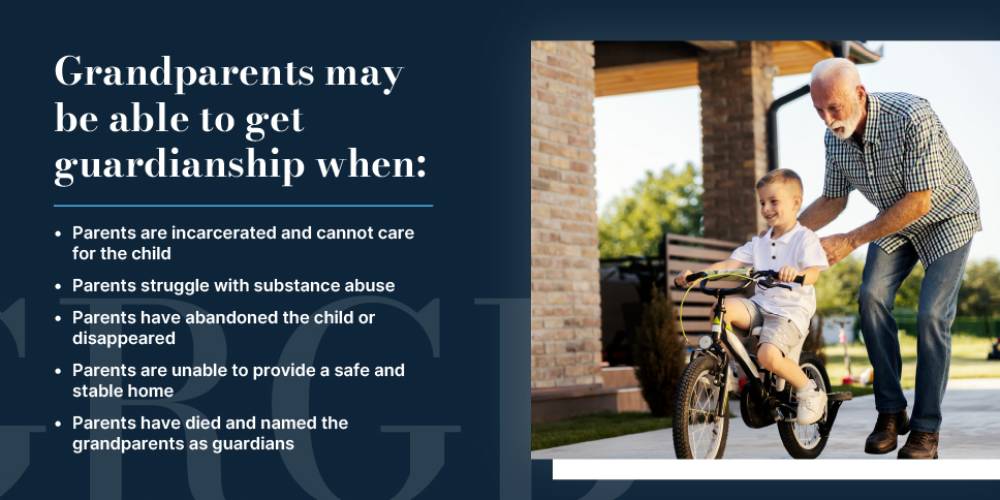
Grandparents may need guardianship when:
-
Parents are incarcerated and cannot care for the child
-
Parents struggle with substance abuse
-
Parents have abandoned the child or disappeared
-
Parents are unable to provide a safe and stable home
-
Parents have died and named the grandparents as guardians
What Is Guardianship of an Incompetent Adult?
Wisconsin law recognizes that adults have the right to make their own decisions, even bad ones, as long as they understand what they are doing. However, when someone truly lacks the capacity to understand their situation or the consequences of their choices, guardianship may be necessary to protect them from harm.
The court can appoint a guardian of the person to make decisions about healthcare and living arrangements. They may also appoint a guardian of the estate to manage financial matters. Sometimes the same person serves in both roles.
Before appointing a guardian for an adult, the court requires medical evidence showing that the person lacks capacity. The proposed ward has the right to an attorney and the right to object to the guardianship. Courts try to preserve as much independence as possible, so they may grant limited guardianship that only covers specific areas where the person needs help.
What Happens to Children When a Parent Dies?
Parents can name a guardian for their children in their will. This is called a testamentary guardian. However, the court must still approve the guardianship. The court will consider the deceased parent's wishes but will ultimately decide based on what serves the children's best interests.
If parents did not name a guardian, family members can petition the court for guardianship. The court will evaluate who is best suited to care for the children. Judges will consider factors like the relationship between the proposed guardian and the children, the proposed guardian's ability to provide a stable home, and the children's preferences if they are old enough to share them.
How Do You Establish Guardianship in Wisconsin?
Establishing guardianship requires filing a petition with the circuit court in the county where the proposed ward lives. The petition must explain why guardianship is necessary and why the person filing would be a suitable guardian.
The process typically includes:
-
Filing a petition with the court and paying filing fees
-
Providing notice to the proposed ward and interested parties
-
Obtaining medical evaluations if seeking adult guardianship
-
Attending a court hearing where the judge reviews the evidence
-
Receiving a court order appointing the guardian if approved
The court takes guardianship seriously because it affects fundamental rights. Having an attorney who understands Wisconsin guardianship law can make the process smoother and increase your chances of success.
Call a Milwaukee, WI Guardianship Lawyer Today
Whether you need to set up guardianship of a minor child, an elderly parent, or another loved one in 2026, our Milwaukee guardianship attorneys at Gimbel, Reilly, Guerin & Brown, LLP can help. We offer free consultations for family law issues and will work with you to really understand your situation. Call Gimbel, Reilly, Guerin & Brown, LLP at 414-271-1440 to schedule your consultation today.